Traditional grocery chains including Kroger, Albertsons, and Publix face significant challenges from lower-cost rivals like Walmart and Costco.
Now, a new report from Coresight Research, shared with TheStreet, suggests that the supermarkets face another threat to their core business.
“We expect the six discount retailers covered in our latest report — Dollar General, Dollar Tree, Family Dollar, Five Below, Ollie’s Bargain Outlet and Big Lots — to generate an additional $29.7 billion in sales by 2030 compared with 2026, taking their combined revenues from $83.3 billion in 2025 to an estimated $119.4 billion in 2030,” according to the report.
That growth will come at least partially from taking sales away from traditional grocery chains.
It’s not that consumers will stop going to supermarkets, but the prevalence of chains like Dollar General, which has over 20,000 locations in the United States, will steal some sales from traditional grocers, according to Coresight:
- Dollar General’s extensive geographic overlap with drugstores and grocers creates opportunities to capture price-sensitive shoppers.
- Five Below and Ollie’s have significant store proximity to beauty, off-price, and specialty retailers, increasing competitive pressure in overlapping product categories.
It’s death from above as Walmart, Costco, Aldi, and Amazon offer consumers lower prices, while Dollar General, Five Below, Ollie’s, and more take away discretionary sales by being more convenient and, in some cases, more fun.
Discount chains will outpace their rivals
Discount and dollar chains aren’t ending the core grocery shopping trip. They’re taking business away on the edges.
“The sector’s aggressive physical expansion will increase competitive pressure on conventional retailers in overlapping product categories, particularly groceries, household essentials, beauty and personal care, and home goods. Conventional retailers may therefore face greater pressure to justify price premiums through product quality, assortment, and shopping experience, while competing on price will put more pressure on margins,” Coresight shared.
These chains generally aren’t cheaper than traditional grocery stores, but they’re offering a differentiated shopping experience.
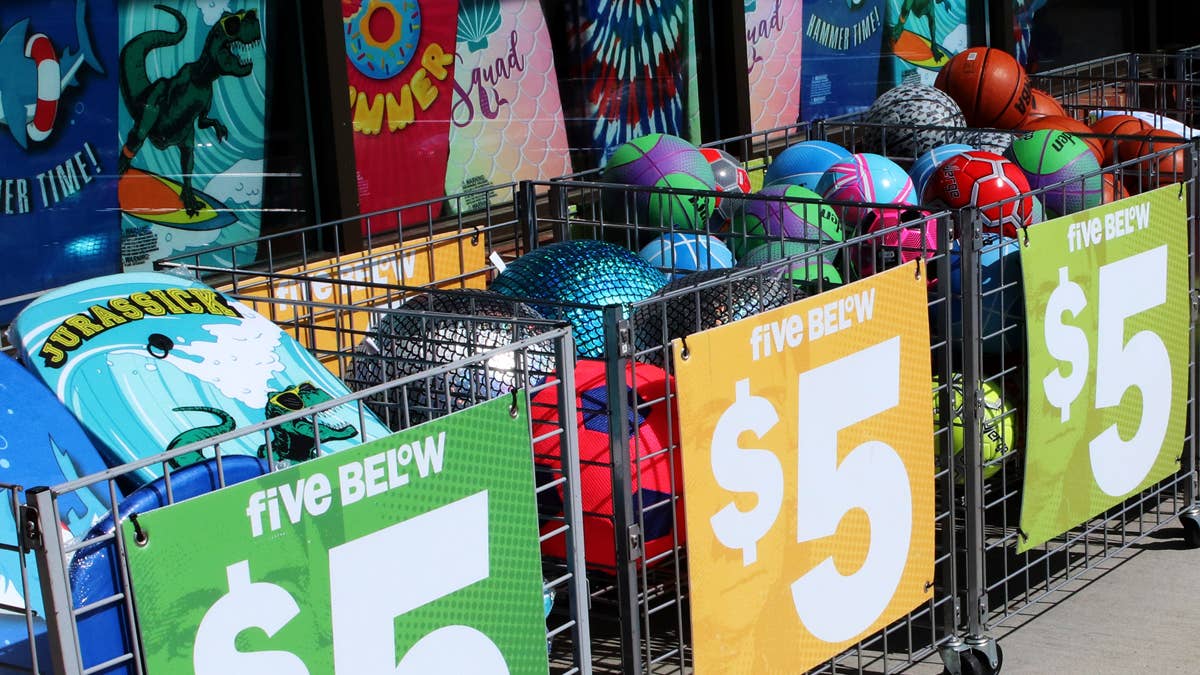
As a parent, I have often used Five Below for entertainment. I could give my son a $5 budget, and he could leave with candy, something to drink, and maybe even something else. While he was shopping for those, I might buy some throwaway headphones or pick up a new phone charger.
More Retail:
- Struggling home goods chain closing more stores
- Verizon makes changes to be more like T-Mobile used to be
- Home Depot drops generous offers as customers grow harder to win
That’s part of a recipe for growth for the chains.
“We expect Dollar General, Dollar Tree, Five Below, and Ollie’s Bargain Outlet to continue outperforming the broader U.S. mass retail market through 2030, supported by sustained consumer demand for value, aggressive store expansion, and differentiated merchandise strategies,” Coresight added.
Consumers are splitting their shopping experience
American shoppers have been splitting up their grocery shopping across multiple brands.
“In an effort to fulfill their unique definitions of value, consumers visit more than five separate grocery store banners on average per month despite growing omnichannel grocery shopping trends,” FMI CEO Leslie Sarasin said in a press release.
Shoppers, she noted, are focused on more than price.
“Shoppers tell us they seek stores with certain personality traits that meet their household needs. One store may offer an entertainment-based shopping experience, while another offers stock-up options or bargain hunting. It’s important for food retailers to ask themselves, ‘What personality does my store have?’ and ensure that personality grows customer loyalty,” Sarasin added.
And while Ollie’s, Dollar General, and Five Below offer a mix of value and a treasure hunt experience, traditional grocery chains offer neither the lowest price nor experience-based shopping.
“Traditional retailers may need to offer more competitive prices and increase promotional activity to retain price-sensitive customers, potentially weighing on margins. We believe retailers that cannot compete directly on price will need to strengthen their differentiation through product quality, exclusive assortments, convenience, and customer experience,” Coresight added.
Ollie’s, Five Below, and Dollar General sell something different
RTM Nexus CEO Dominick Miserandino thinks that Ollie’s, Five Below, and Dollar General have created a different type of shopping experience.
“Nobody goes shopping hoping to pay full price. That’s not exactly a controversial statement,” he told TheStreet. “But what’s interesting about Ollie’s, Five Below, and Dollar General is that they’re selling more than cheap merchandise. They’re selling the feeling that you’re beating the system a little.”
It’s a way, he added, to create a positive shopping experience.
“When everything from groceries to toothpaste costs more than you remember, finding something for a few bucks feels like a small victory. And consumers could use a few victories right now,” he wrote.
Miserandino has a point. If I go to Publix to buy ingredients for dinner, it’s a practical trip where I might find what I want, might find what I want at prices above what I want to pay, or, on rare occasions, get a deal.
I never go to Publix or any other supermarket for fun.
I have, however, visited Ollie’s, Dollar General, and Five Below for no reason, and nearly every time I have left with something I didn’t need, which made me feel good about my trip.